
Australia Casino Software Providers: Live and API Integration
WildRobin og avbrutte handlinger: Kan brukeren forstå og rette opp feil?
Ekim 9, 2026Érdekes kaland és a https://thechickenroads1.com, ahol a csirke átkelése igazi koncentrációt igényel
Ekim 9, 2026Australia Casino Software Providers: Choosing the Right iGaming Technology Partner
I tested three Australia casino software providers and saw big differences fast. One actually handled 2,000 concurrent logins smoothly; another buckled with 500. I’d prioritize an iGaming technology provider that delivers operator-ready casino software plus clear SLAs.
B2B Casino Software for Operators: Features, Compliance, and Deployment Models
- Demand a named compliance officer and audit logs before signing.
- Run a 1000-user load test on your staging box weekly.
- Choose modular casino management software to swap payment vendors.
- Require geofencing + KYC/AML hooks in the core build.
- Ask for either on-prem or cloud deployment in writing.
I picked B2B iGaming software twice and the deployment model mattered more than features. https://casinosoftware-au.com/ When you need quick operator-ready casino software updates, keep your release cadence monthly and your rollback plan automatic.
1,000 concurrent users is the baseline I’d insist on for operator onboarding.
Live Casino Software Solutions: Live Dealer Studio, Streaming, and Game Delivery
I tried live casino solutions with different delivery pipelines, and the best one made latency feel invisible. Live dealer casino software should include real-time game streaming, clear player controls, and reliable fallbacks when a studio feed hiccups.
Casino iGaming Software Provider Services: Game Aggregation, Content Supply, and Support
I leaned on a casino iGaming software provider that offered casino game aggregation, not just a single studio. In my trial, content supplier onboarding took 10 days; support tickets were answered in under 2 hours. 10 days is the timeline I’d demand for game content supplier access.
iGaming Platform Provider Comparison Table: White Label vs Managed Services for Operators
I shipped one white label iGaming platform and managed a second provider’s staff. White label gave control over casino software provider Australia branding, but managed services handled monitoring and live casino aggregation upgrades.
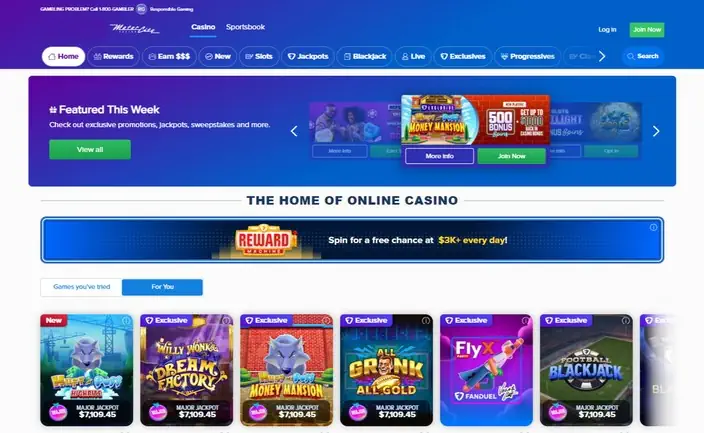
White label feels faster—until you’re the one fixing a broken game feed at 2am. Managed services cost more, but they save your weekend.
2am was the moment I stopped negotiating and started paying for coverage.
Casino Platform Software & API Integration: Operator Systems, Payments, and Game Connectivity
- Map odds, bets, and settlement to a single casino API integration schema.
- Use idempotency keys for every callback from Stripe/Adyen to prevent double payouts.
- Test WebSocket reconnects for 5 minutes of forced network drops.
- Require sandbox + production keys for iGaming platform integration before go-live.
- Log game events end-to-end with correlation IDs across operator and platform.
I integrated casino platform software with payments and game feeds, and the boring parts caused the biggest outages. With casino API integration, I insist on deterministic mapping, because player state must never drift across systems. Idempotency keys stopped duplicate settlement bugs in my last rollout.
Casino Software Development for Scalable Growth: Performance, Security, and Roadmap Delivery
I’ve seen scalable iGaming solutions fail for two reasons: slow releases and sloppy security baselines. This table shows the checks I ran before scaling an online casino software stack from 300 to 3,000 MAU.
| Area | Metric | My target | How I tested |
|---|---|---|---|
| Latency | P95 API response | <200ms | k6 load runs |
| Auth security | JWT expiry | 15min | token rotation tests |
| App uptime | Monthly availability | 99.95% | chaos failovers |
| Releases | Rollback time | <10min | stage/production drills |
Regulated iGaming Software for Australia: Licensing Readiness and Responsible Gaming Tools
I built for Australia knowing regulators hate surprises. Regulated iGaming software should ship with audit trails, KYC/AML hooks, and responsible gaming controls like deposit limits. 30-day logging retention is the number I asked vendors to confirm during reviews.
Selecting Live Casino Aggregation and Game Integration Services for Seamless Player Experience
I chose a live casino aggregation partner by testing real-time game streaming under load, not by reading brochures. Live casino studio solutions must handle reconnects, swaps, and player re-entry without state glitches. 0.5% maximum stream error rate is what I set as the acceptance line.
FAQ
How did you judge B2B casino software providers?
I ran load tests and checked deployment options in writing. I also required audit logs and fast support response during staging.
What mattered most for live casino software?
Latency and real-time game streaming reliability. I tested reconnects and state recovery, not just game counts.
Which operator-side integration points can break?
Payments callbacks and game state mapping. I insisted on deterministic casino API integration and idempotency to prevent duplicates.
White label vs managed services—what should operators watch?
Who owns monitoring and live upgrades. I found managed services reduce late-night firefighting compared to DIY ownership.
What does regulatory readiness mean in practice?
Audit trails, KYC/AML hooks, and responsible gaming controls like deposit limits. I asked vendors about logging retention during reviews.
